


jk4 | Exploring the Fascinating World of Simulation Games
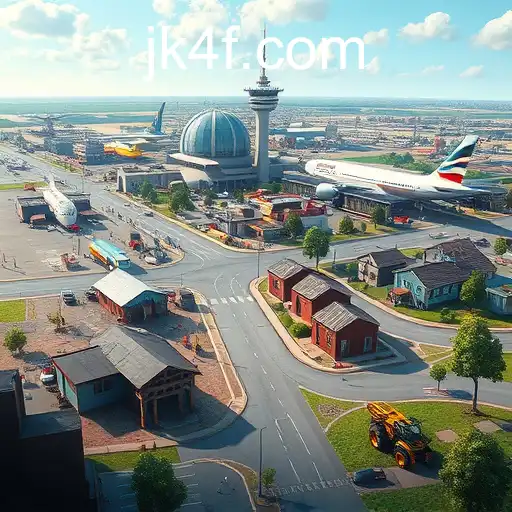
Simulation games have long captured the imagination of gamers around the globe by offering experiences that replicate real-world activities. Whether managing a bustling city, operating a farm, or piloting an aircraft, these games provide an unparalleled blend of entertainment and education through their intricate mechanics and open-ended playstyles. The broad appeal of simulation games lies in their ability to let players explore complex systems, make strategic decisions, and witness the consequences of their actions in a virtual setting.
One of the standout features of simulation games is the variety they offer. Titles like 'The Sims' allow players to create and manage entire virtual families, dealing with everyday tasks and interpersonal relationships, while games such as 'SimCity' put players in the shoes of a city planner, tasked with building a metropolis from the ground up. These games often incorporate realistic economic systems and natural interactions, giving players a sense of control and responsibility that closely mimics real life.
Environmental awareness and conservation have also found their way into this gaming genre with games like 'Planet Zoo' and 'Farming Simulator.' Here, players must consider sustainability and resource management, aligning their strategies with ecological principles to succeed. This layer of complexity adds depth and encourages players to think critically about real-world issues.
Additionally, the element of creativity in simulation games cannot be overstated. Games such as 'Minecraft' break the genre's conventional boundaries by providing a sandbox environment where players can build and experiment with endless possibilities. This opens up unique opportunities for self-expression and innovation within the game world, fostering a creative outlet that is both engaging and educational.
Moreover, simulation games have proven to be valuable tools in education and professional training. By simulating real-life scenarios and challenges, these games provide a risk-free environment for learning and skill development. Industries ranging from aviation to healthcare utilize simulation-based training programs to enhance skills and improve problem-solving abilities.
As technology continues to advance, simulation games are becoming even more immersive with the introduction of virtual reality (VR). This technology provides a more profound, immersive experience, with VR headsets allowing players to feel as if they are truly inside the game. This innovation opens new avenues for game developers to explore, making simulation games more captivating and life-like than ever before.
In conclusion, simulation games offer an immersive blend of education, entertainment, and creativity. Their ability to mimic real-life challenges and offer a sandbox for experimentation makes them unique and endlessly intriguing. As developers continue to push the boundaries with technological advancements, the future of simulation games looks brighter than ever, promising endless adventures and opportunities for players worldwide.
